
If you’re buying a home, taking over the seller’s existing mortgage may let you keep its original interest rate and loan terms. That can be worth exploring when current mortgage rates are higher than the seller’s rate.
A VA loan assumption is not automatic, though. The loan servicer must approve the transfer, and you’ll need to qualify. There may also be a difference between the seller’s loan balance and the home’s purchase price to plan for.
I’ll explain how an assumable mortgage works, what to ask about VA entitlement, and how GNB Mortgage’s Encore Series VAGap may help eligible veteran buyers finance part of that difference.
What is an assumable mortgage?
An assumable mortgage lets a buyer take over the seller’s existing home loan, subject to the loan’s requirements and approval. With a VA loan assumption, the buyer takes over the seller’s VA loan at its original rate and terms. The assumption is processed by the current loan servicer, not simply handled by changing who makes the monthly payments.
A VA loan assumption is different from getting a new mortgage. The existing loan’s rate and terms generally stay in place, while the buyer becomes responsible for the assumed loan after approval and closing.
VA-guaranteed loans may be assumable by eligible buyers, including buyers who are not veterans. The buyer must agree to purchase the property and assume the full loan obligation, and must meet applicable credit and underwriting standards. The loan must also meet VA assumption requirements. See the VA’s assumption guidance.
Why consider assuming a VA loan?
Rates change over time, while a seller’s mortgage may have been taken out when rates were lower. Freddie Mac reported a national average 30-year fixed mortgage rate of 7.24% for the week ending October 29, 2026. That’s a market benchmark, not a personal quote, but it helps explain why buyers may want to compare an assumable loan with new financing. You can check the Freddie Mac rate survey.
If the seller’s VA loan has a lower rate, assuming it may reduce the interest rate on the balance you take over. The benefit depends on the loan’s remaining balance, remaining term, the purchase price, and any additional financing you need.
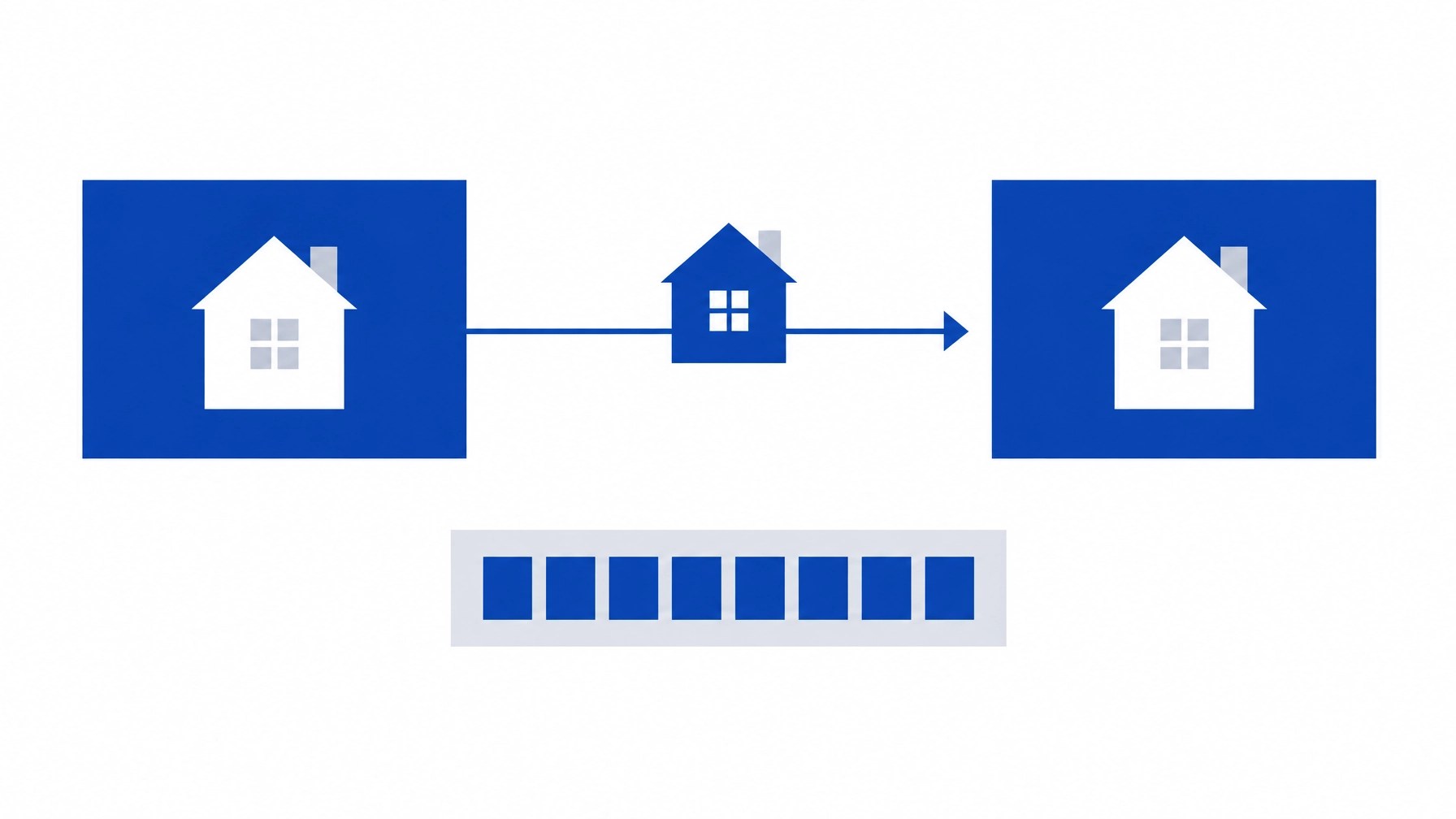
The loan balance may not cover the full purchase price
An assumable loan covers the outstanding mortgage balance, not automatically the home’s full purchase price. If the seller owes less than the agreed price, there is a gap between the two amounts. The buyer and seller must account for that difference in the transaction.
For example, a seller may have a low-rate VA loan with a balance that is substantially below the home’s purchase price. The buyer may need cash or another financing option to cover some or all of the difference, along with applicable closing costs. The amount and structure depend on the specific transaction.
How to assume a VA loan
The servicer for the seller’s current VA loan handles the assumption process. Start early: the servicer can explain its application steps, documentation requirements, and how it reviews the buyer’s qualifications.
- Confirm the loan and contact the servicer. Ask whether the loan is eligible for assumption and request the servicer’s assumption requirements. The seller should confirm the current loan balance and ask how the process works.
- Submit the assumption application. The buyer provides the information the servicer requests to assess credit, income, and other applicable requirements. The buyer must agree to take on the full loan obligation.
- Review entitlement choices. If the buyer is an eligible veteran, discuss whether they can substitute their VA entitlement for the seller’s. The buyer’s eligibility, available entitlement, and occupancy plans matter.
- Complete approval and closing. The servicer must approve the assumption and the parties must complete the required transfer documents. Make sure the seller’s release of liability and any entitlement substitution are documented as applicable.
An informal agreement to make payments on the seller’s behalf is not the same as an approved assumption. Buyers and sellers should work with the servicer and their real estate or settlement professionals so they understand the steps and documents required.
Understand the VA entitlement options
VA entitlement is the amount of a veteran’s home-loan benefit used to support a VA-guaranteed loan. When a VA loan is assumed, the parties should understand what happens to the seller’s entitlement.
- Substitution of entitlement: An eligible veteran buyer with sufficient available entitlement may be able to substitute their entitlement for the seller’s. If approved and completed, this can restore the seller’s entitlement tied to the loan. The buyer’s entitlement then becomes associated with the assumed loan.
- No substitution of entitlement: The seller’s entitlement may remain tied to the loan even after the buyer assumes it. The seller may receive a release from liability for the mortgage, but the entitlement is not restored simply because ownership changes. The seller should consider how this could affect future VA financing.
A non-veteran may be able to assume a VA loan, but cannot substitute VA entitlement. If you’re a veteran buyer, ask the servicer early what documentation it needs to review a substitution. If you’re the seller, ask what written approval and release documentation you’ll receive.
How Encore Series VAGap may help with the price difference
When the assumed loan balance is lower than the purchase price, GNB Mortgage’s Encore Series VAGap is designed to help eligible veteran buyers finance part of the gap at closing. The buyer assumes the seller’s VA first mortgage; the current servicer processes and approves that assumption. GNB Mortgage’s gap financing is separate financing and does not replace the servicer’s assumption approval.
According to the product details, VA GAP financing may cover the difference up to 95% of the sales price. For example, on a $1 million home where the veteran owes $500,000 on the assumed VA loan, GNB can lend $450,000 for the gap. Together, the assumed first mortgage and the gap loan would total $950,000. The buyer would need to plan for any remaining difference and applicable closing costs.
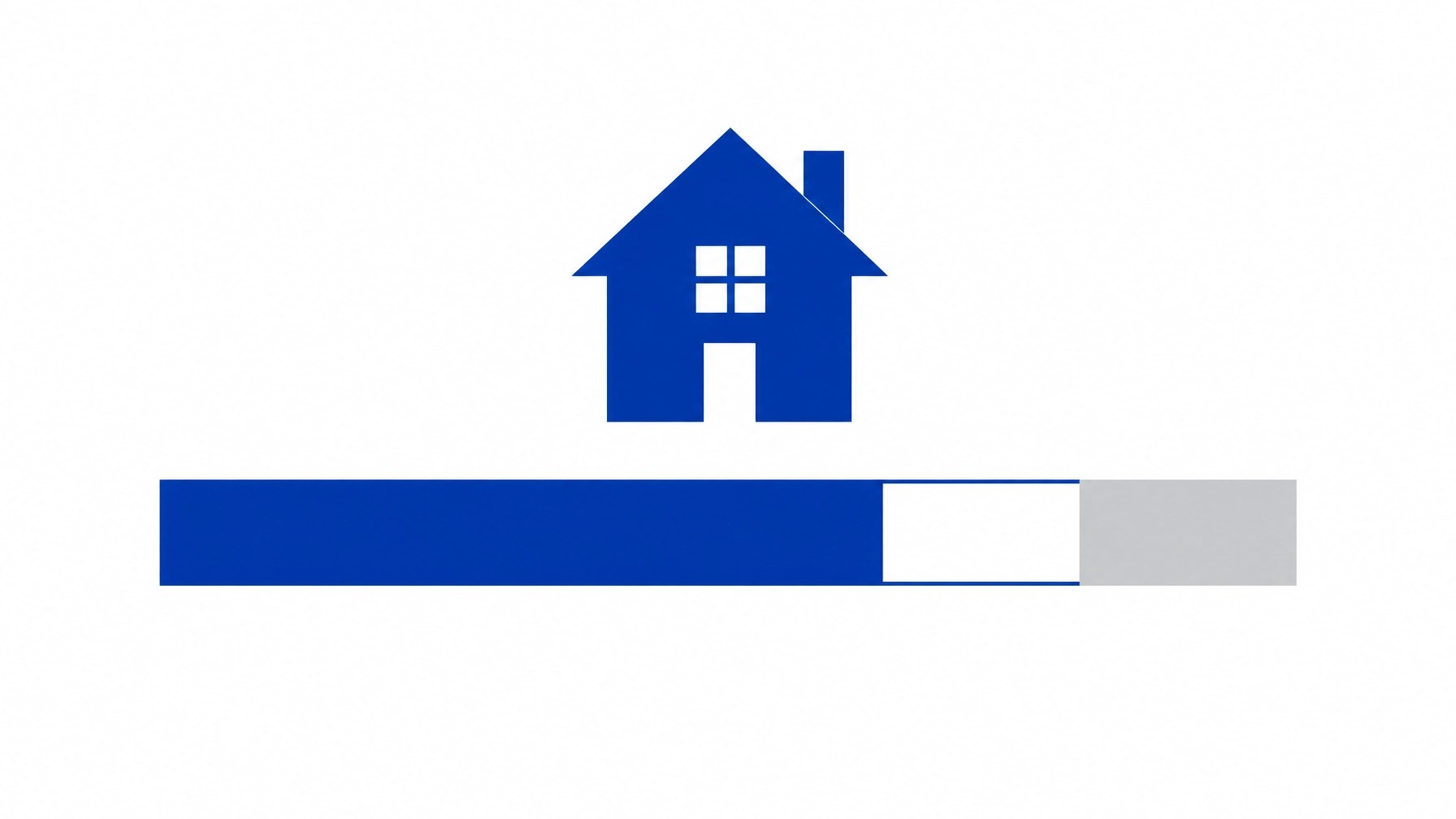
The VAGap may be structured as either a fixed-rate second mortgage or a variable-rate interest-only loan. These structures work differently: a fixed rate keeps the interest rate on that second loan stable, while a variable rate may change under its loan terms. Interest-only options are available. The product also lists no prepayment penalties and flexible repayment. Ask for details about the specific structure available to you and how payments may change over time.
Financing part of the gap may reduce the cash needed at closing and help preserve liquidity for other needs. It doesn’t remove the need to review the combined financing, payments, and costs. All financing is subject to qualification and product terms.
GNB Mortgage is Veteran Owned and says it charges no lender fees on VA loans. That statement refers to lender fees; it does not mean there are no other costs in a home purchase or assumption. You can also review GNB’s VA loan information.
Questions to ask before moving forward
An assumable mortgage can be useful in the right circumstances, but compare the full transaction, not only the interest rate. Consider asking:
- What is the current loan balance, rate, and remaining term?
- What does the servicer require, and how will it review my credit and income?
- How much of the purchase price is not covered by the assumed loan?
- If I’m a veteran, can I substitute my entitlement, and what documentation is needed?
- What are the terms and rate structure of any additional financing?
- What will my total monthly payments and cash to close look like?
If you’re still working through your budget, see our guide to how much house you can afford. Our article on mortgage pre-approval versus pre-qualification can help you prepare for a financing conversation. You may also find our FHA versus conventional loan comparison and Northern Virginia lender guide useful as you evaluate choices. If you’re buying before selling another home, read our guide to bridge loans.
An assumable VA loan may offer a way to take over a seller’s existing rate, but the details matter: servicer approval, entitlement, the purchase-price gap, and any additional financing all need careful review. If you’d like to discuss a potential assumption and VAGap financing, you can start a pre-approval conversation with Fernando. We can help you understand the options and questions to raise with the servicer, without pressure to choose a particular path.
Leave a Reply